
 Deutsch
 English
 Türkçe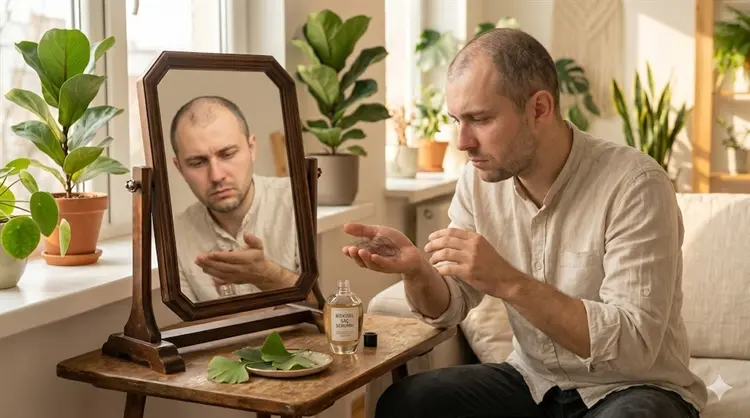
Can Hair Loss Be Stopped?
Those few strands of hair you see on your pillow when you wake up in the morning, the clumps caught in your comb after a shower, or that slight receding you notice at your temples every time you look in the mirror... I know exactly how frustrating and disheartening that feeling can be. Our hair is one of the most important parts of our identity and how we present ourselves to the world. That is why, when it starts thinning, it is not just our appearance that takes a hit, but also our self-confidence.
A quick search online reveals a thousand and one miracle oils, shampoos, and formulas promising "guaranteed results." But let's be realistic—amidst this confusing information overload, one can't help but ask: Can hair loss be stopped?
There is no single "yes" or "no" answer to this question. However, the good news is that with the right diagnosis, healthy habits, and scientific approaches, it is absolutely possible to take control of the process and even regain some of your lost hair. Let's dive into this topic in a completely realistic, hype-free, and practical way.
First Question: Does Hair Loss Stop, or Is It an Inevitable Process?
First, let's accept a biological reality: shedding hair is completely natural. An average healthy human head has about $100,000$ to $150,000$ strands of hair, and losing $50$ to $100$ of them every day is considered entirely normal. This is because every hair strand has a life cycle: it grows, rests, and eventually falls out to make way for a new one.
But does hair loss stop when it exceeds these normal limits?
The answer depends entirely on the "why." If your hair loss is caused by seasonal changes, temporary high stress, using the wrong hair products, or short-term hormonal fluctuations, then yes—once the trigger is removed, the shedding will stop on its own. However, if genetics (such as male pattern baldness) or a chronic illness is at play, completely stopping hair loss might be difficult. Yet it is still within your power to significantly slow the process and preserve your hair density.
A Step-by-Step Roadmap: How to Stop Hair Loss?
Controlling hair loss is not about using a single miracle product and waiting for a magic cure. It requires a holistic lifestyle shift. If you are wondering, "How to stop hair loss?" here are the fundamental steps you can easily integrate into your daily routine:
1. Understand Your Scalp and Be Gentle
Hair health starts at the scalp, not the hair shaft. The healthier your scalp, the stronger your hair roots will hold.
- Right Shampoo: Opt for shampoos that match your scalp's pH balance and are free of sulfates, parabens, and heavy silicones.
- Washing Frequency: Washing your hair every day strips away its natural oils (sebum). Washing 2-3 times a week with lukewarm water is ideal. Hot water weakens hair roots.
- Scalp Massage: Massage your scalp in gentle circular motions using your fingertips (never your nails) during or after your shower. This boosts blood circulation, delivering vital nutrients to your hair follicles.
2. Limit Heat and Chemical Styling
Blow dryers, straighteners, curling irons, and chemical-laden dyes damage the protein structure of your hair. This causes strands to dry, break, and snap off—even if they don't fall out from the root. Letting your hair air-dry naturally is always the healthiest choice.
3. Seek Medical Solutions
If your shedding is severe, seeing a dermatologist is the best step forward. Clinical treatments like PRP (Platelet-Rich Plasma) and hair mesotherapy inject vitamins and minerals directly into the scalp, awakening dormant hair follicles.
Nourishing From Within: Foods That Stop Hair Loss
No matter how expensive the serums we apply externally are, what we put inside our bodies matters much more. Hair follicles contain some of the fastest-dividing cells in the body, and they get their energy directly from the nutrients we consume.
By adding these foods that stop hair loss to your diet, you can strengthen your hair from the inside out:
- Eggs: The building block of hair is a protein called keratin. Eggs are an excellent source of protein and are rich in biotin, an essential nutrient for hair health.
- Spinach and Dark Leafy Greens: Iron deficiency is one of the biggest hidden causes of hair loss, especially in women. Spinach is rich in folate and iron, helping carry oxygen to your hair roots.
- Fatty Fish (Salmon, Mackerel): Omega-3 fatty acids hydrate the scalp, preventing hair fall caused by dryness and inflammation.
- Nuts and Seeds (Walnuts, Almonds, Pumpkin Seeds): High in zinc and healthy fats, these superfoods support hair follicle regeneration.
Fill the Gaps: Vitamins That Stop Hair Loss
Sometimes, even with a healthy diet, our bodies may not absorb enough nutrients, leading to deficiencies. Getting a simple blood test will give you a clear roadmap, specifically looking at these crucial vitamins that stop hair loss and essential minerals:
- Biotin (Vitamin B7): Often dubbed the "hair vitamin," biotin improves hair elasticity, preventing breakage and shedding.
- Vitamin D: Research shows that a vast majority of people experiencing hair loss are deficient in Vitamin D. It plays a critical role in triggering new hair follicle growth.
- Zinc: Essential for hair tissue growth and repair. It also keeps the oil glands around the follicles working properly.
- B12 and Iron: These help produce red blood cells, which carry oxygen and nutrients to the scalp. A deficiency leads to dull, weak hair that sheds easily.
Note: Remember that taking high-dose vitamin supplements without a doctor’s recommendation can actually trigger hair loss. Balance is key.
Stopping Hair Loss Through Lifestyle Changes
Beyond nutrition and topical care, several invisible enemies in our daily lives pull our hair away. If your goal is to stop hair loss, you need to address these three areas:
- Stress Management: Chronic stress forces hair follicles into a premature resting (telogen) phase. Yoga, meditation, regular walks, or hobbies you enjoy are great not just for your soul but also for your hair.
- Quality Sleep: The body regenerates while sleeping. Growth hormones that stimulate hair growth are released at night. Aim for 7-8 hours of high-quality sleep daily.
- Stay Hydrated: Almost a quarter of a hair strand is made of water. Drinking at least 2 liters of water daily prevents hair from becoming dry, brittle, and prone to breaking.
The Final Word: Realistic Expectations and Patience
Addressing hair loss is a marathon, not a sprint. It takes at least 3 to 6 months to see the visible effects of a new haircare routine or dietary change in the mirror. This is simply because the hair growth cycle is a slow process.
Don't let misleading advertisements promising overnight miracles discourage you. Be patient, stay consistent, and treat your hair with care. Remember, the kindness and attention you show yourself are far more valuable than the most expensive haircare product on the shelf.